
ITAM – IT Asset Management and Inventory
ITAM – IT Asset Management and Inventory
eAuditor ITAM is a system for managing IT assets and automatically inventorying infrastructure.
Collect information about hardware and software, manage the lifecycle of devices, monitor changes, and access up-to-date data on your entire IT environment
190k+
Monitored devices
1100+
eAuditor Implementations
ITAM
One system
24/7
Current Knowledge
Why do you need an ITAM system?
Excel spreadsheets, manual device inventories, and outdated documentation make it difficult to manage assets.
- Outdated list of computers and devices
- Lack of knowledge about installed software
- Difficulties with managing the hardware lifecycle
- No history of configuration changes
- Difficulties during audits and inspections
- Scattered information about IT assets
Features of the ITAM System for IT Asset Management
A single place to manage hardware, software, users, and change history.
DISCOVERY AND INVENTORY
02
Computers and Servers
Automatically collect data about computers and servers: user, serial numbers, location, and transfer logs.
03
Servers and Virtualization
Automatically inventory Hyper-V, VMware, and Proxmox hosts, as well as virtual machines, along with their resources and status.
04
Operating systems
Automatically track Windows, Linux, and macOS systems, along with their licenses and the number of installations.
05
Software
Automatically detect installed applications and packages, including their version, vendor, and license.
07
Printers
Automatically detect local and network printers and monitor their status, toner levels, and print counts.
08
IT Magazine
Track consumables across multiple warehouses using inventory receipt and issuance documents.
Resource Management
01
IT Asset Inventory
Maintain a single, up-to-date inventory of hardware, software, and devices across the entire organization.
02
The IT Asset Lifecycle
Track assets from purchase through use to decommissioning.
03
IT Equipment Management
Get a complete overview of your equipment, its configuration, location, and assignment to users.
04
License management
Keep track of your licenses and their usage to avoid shortages and unnecessary expenses.
05
IT Equipment Warranties
Keep track of warranty and support expiration dates so you don’t miss the end of your service coverage.
06
IT Contracts
Store contracts with suppliers and link them to the assets they pertain to.
07
IT Resource Costs
Track the costs of purchasing and maintaining resources to better plan your IT budget.
08
History of Changes to IT Resources
Keep a record of changes to resources: who changed what and when.
Structure and Compliance
01
CMDB
Collect data on hardware, software, and the relationships between employees, hardware, and applications in one place.
02
SAM
Track software licenses and compliance with ISO/IEC 19770, including expiration and renewal dates.
03
IT Resource Audit
Conduct hardware and software audits based on current data and generate reports ready for the auditor.
04
IT Resource Compliance
Demonstrate that your IT resources comply with the requirements of NIS2, DORA, ISO 27001, and KSC.
ITAM, NIS2, DORA, ISO 27001, and KSC
Information about IT assets is one of the cornerstones of effective security management.
NIS2
Resource Identification and Management
ISO/IEC 27001
Asset Management
DORA
Information on ICT Resources
KSC
Security Management Support
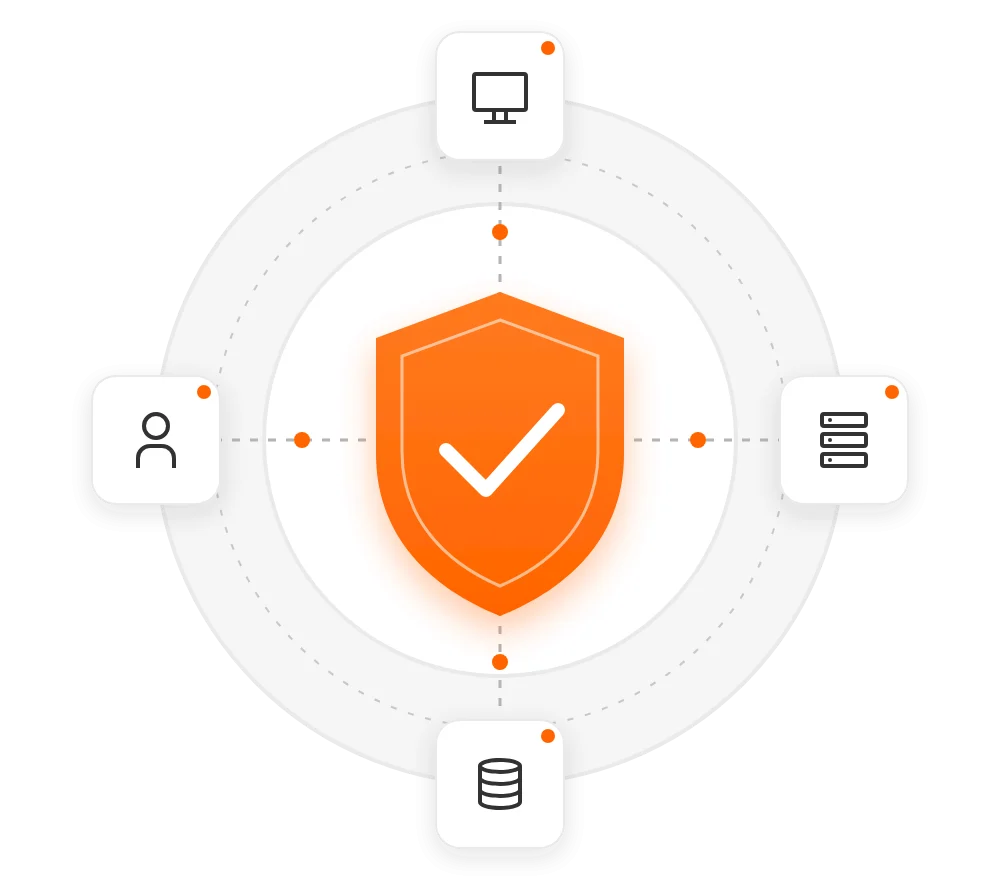
ITAM in the the cloud lub On-Pre-premise
Frequently Asked Questions About ITAM
ITAM (IT Asset Management) refers to the management of an organization’s IT assets—from identification and inventory, through use and monitoring, to decommissioning.
eAuditor enables the automatic collection of information about devices managed by the platform.
Yes. Information about installed software may be collected and analyzed as part of IT asset management.
ITAM is one of the functional areas of the eAuditor platform and can also be used in the cloud model.
You know what you have. You know where it is. You know what has changed.
See how eAuditor can streamline IT asset management.